by julie.frenchclassteacher.us | Mar 16, 2026 | Communication in French, Vocabulary
When you learn French, textbooks often teach you formal phrases like Comment allez-vous ? or Je ne sais pas. But when you actually listen to French people speaking in everyday life, you quickly realize something: real French sounds very different. Native...
by julie.frenchclassteacher.us | Feb 23, 2026 | Communication in French, Vocabulary, Write in French
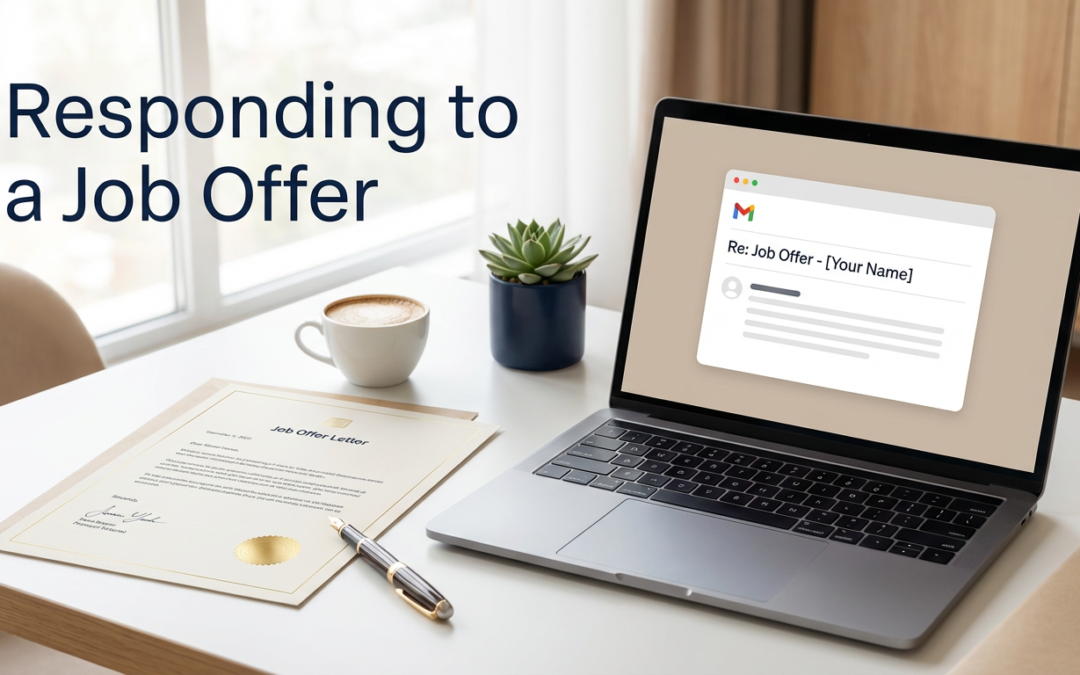
Applying for a job in French can feel intimidating, especially if you are not familiar with professional codes and formal writing conventions. However, once you understand the structure and expectations, responding to a job offer becomes a logical and...
by julie.frenchclassteacher.us | Jan 26, 2026 | Communication in French, Vocabulary
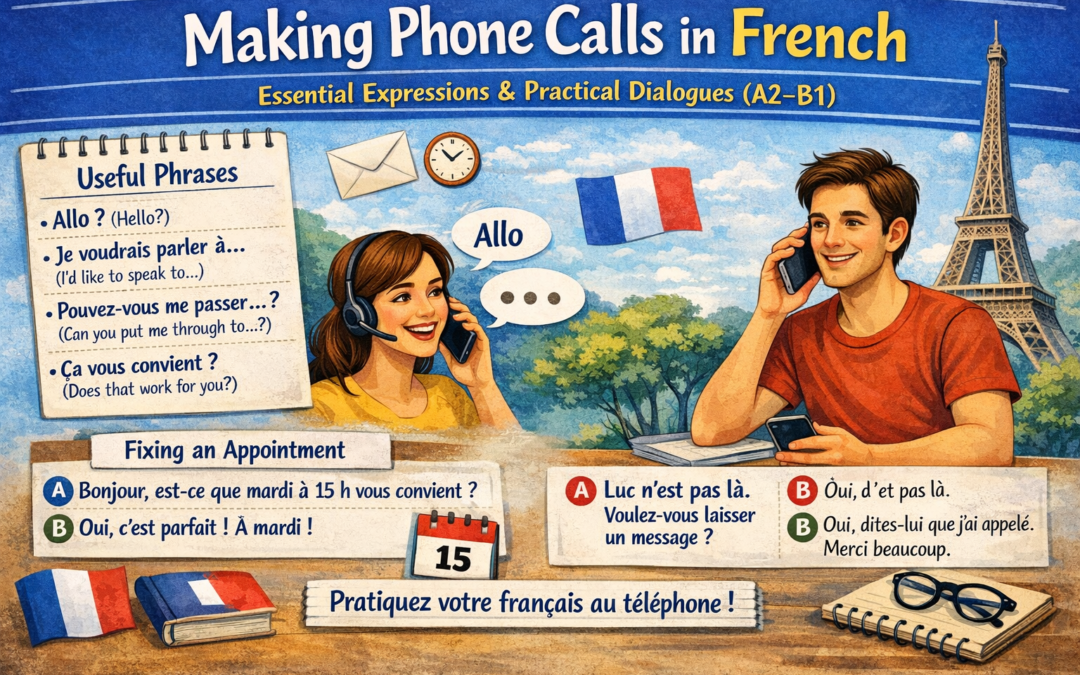
Making phone calls in French can be stressful for many learners: you can’t see the other person, the speech is often fast, and many expressions are very fixed. In this article, you’ll learn essential French phone expressions, organised by real-life...
by julie.frenchclassteacher.us | Jan 21, 2026 | Grammar, Vocabulary
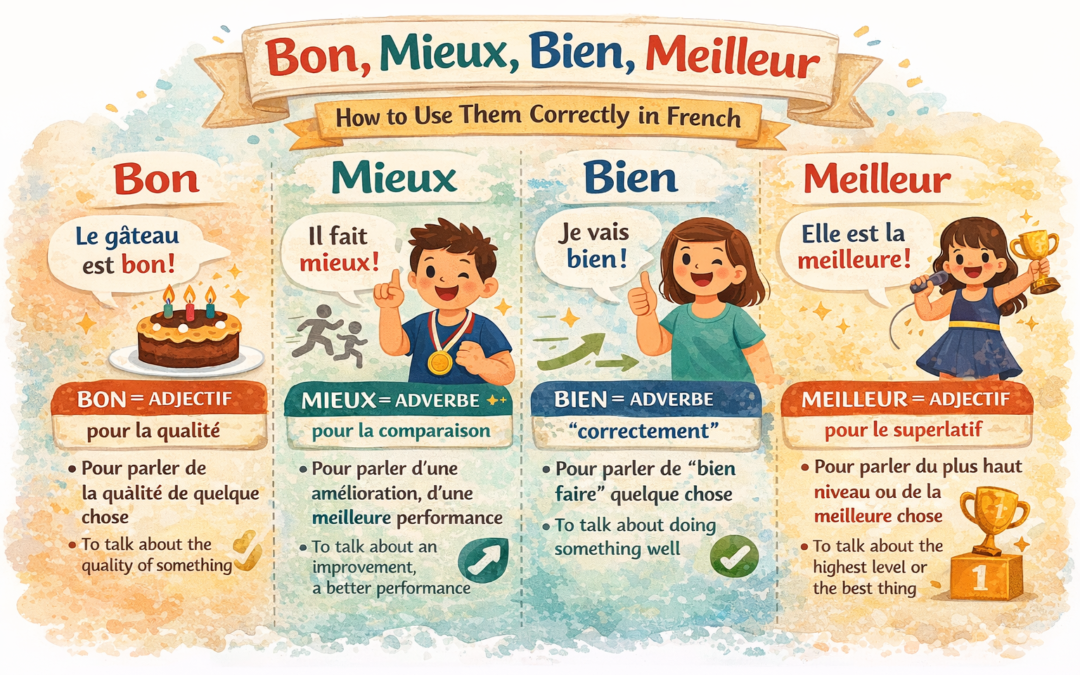
Learning French often means confronting small words that cause big confusion. Among the most challenging for learners are bon, bien, mieux, and meilleur. These words are closely related, frequently used in daily conversation, and yet very easy to mix up — even for...
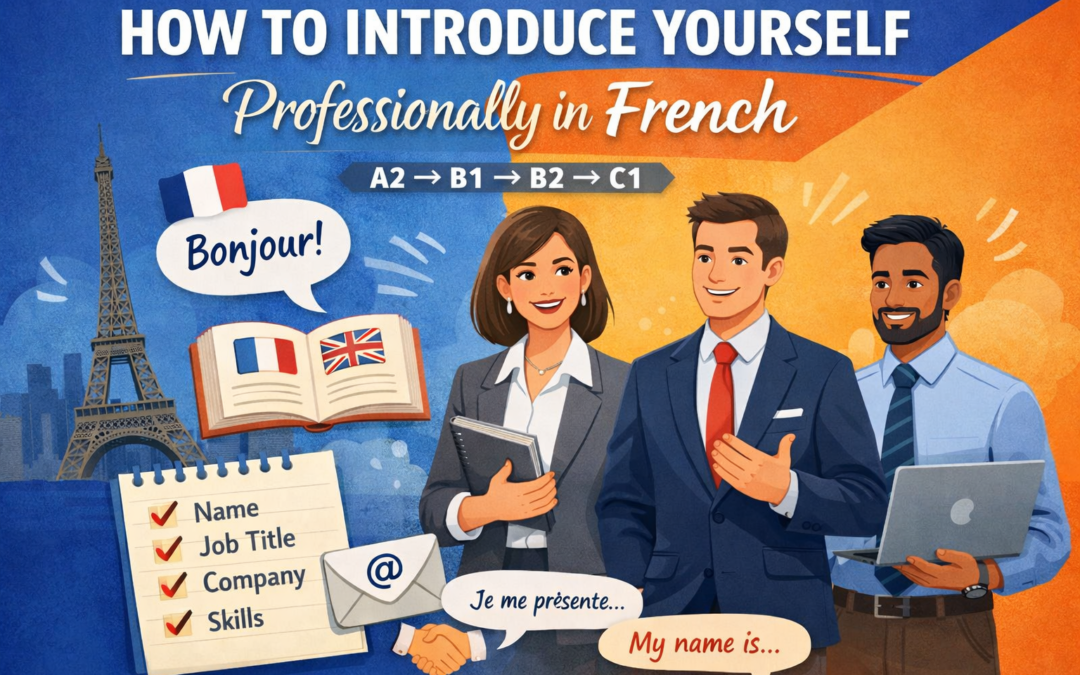
by julie.frenchclassteacher.us | Jan 13, 2026 | Communication in French, Vocabulary
Introducing yourself professionally in French is an essential skill for anyone working or studying in a French-speaking environment. Whether you’re participating in a meeting, attending a networking event, or sending a professional email, making a positive...
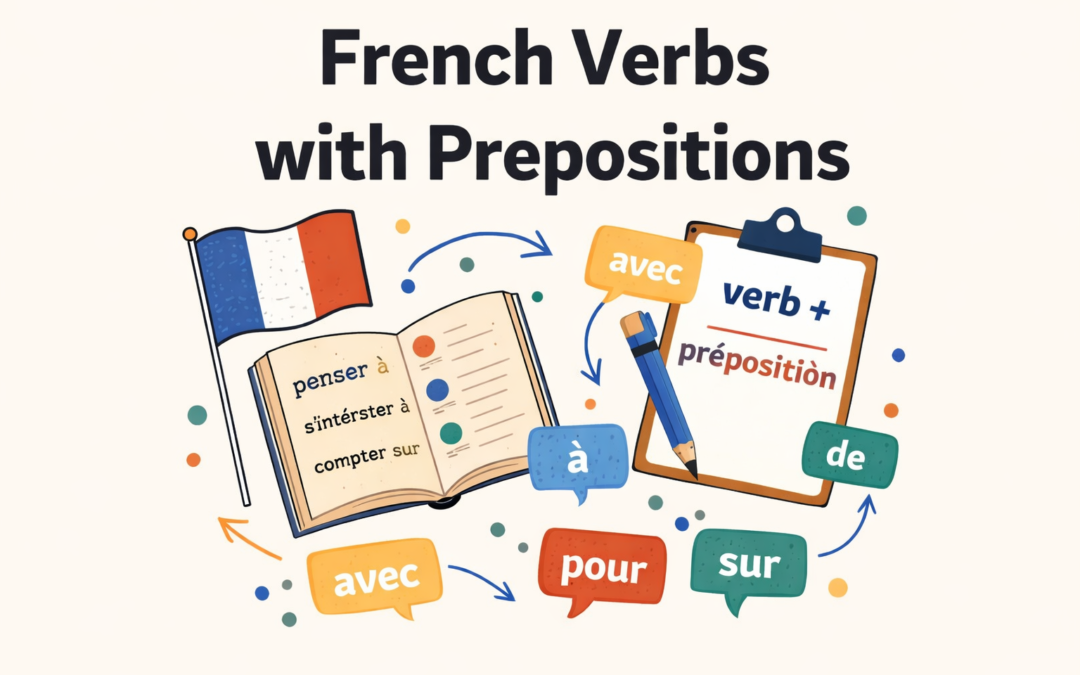
by julie.frenchclassteacher.us | Jan 7, 2026 | Grammar, Vocabulary
If you read the first article titled “À or De in French: How to Choose?”, you learned a key principle for improving in French: The preposition depends on the word that comes before it, often a verb, an adjective, or a fixed expression. That first...